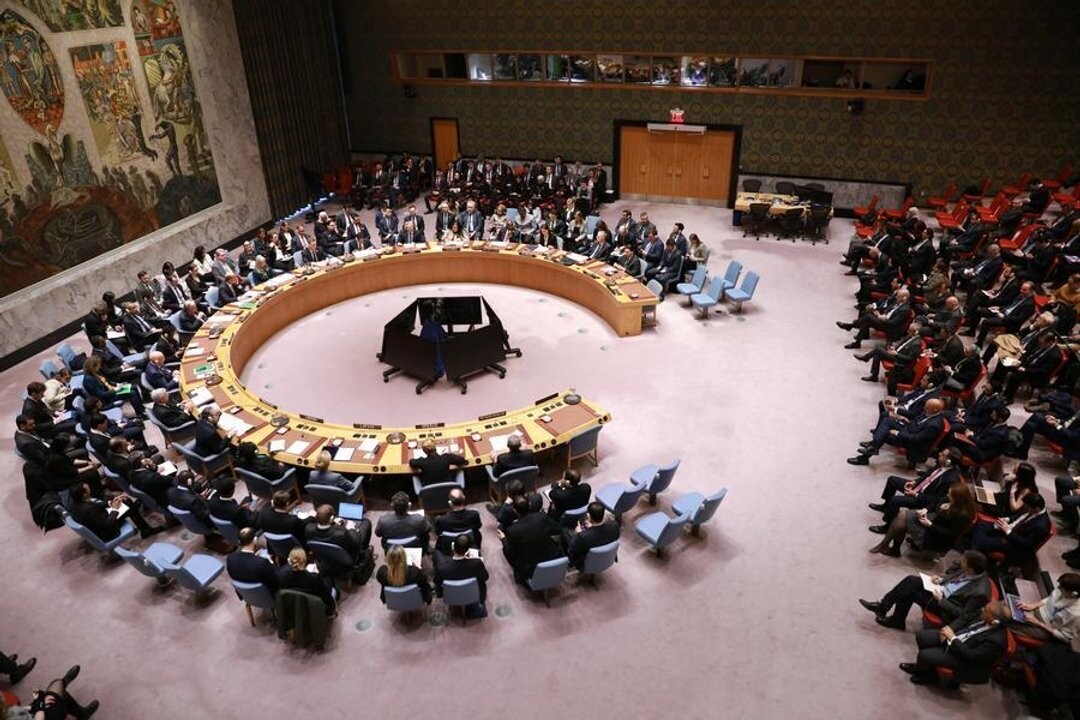
The year 2026 will be marked in collective memory as a period of global turmoil. The wars that erupted in different regions of the world not only redefined geopolitics but also left deep economic, psychological, and cultural scars. These prevailing wars are not isolated conflicts; their global scope has led to vast interconnections of markets, energy dependency, and the fragility of supply chains. The risks are seen in the prices of food and raw materials, which can skyrocket, affecting both developed and developing countries. In terms of technology and communication, cyberattacks can emerge and mutate into strategic weapons, often generating disinformation and chaos, as seen on social media where artificial intelligence is used to manipulate videos and photos. This is why international diplomacy, through multilateral organizations working at full capacity, is crucial. However, they may be unable to halt the military escalation if the involved parties disregard their roles as arbiters or peacemakers to stop the crossfire. The phenomenon has grown so much that the world understands that no country can declare itself immune: war has become planetary with widespread implications. The emotional impact was particularly strong in the West, where the population had once lived for decades of relative stability. Today, various issues inherent to human nature are being studied: Anxiety and fear: the constant threat of attacks and economic uncertainty have led to an increase in anxiety disorders. Collective trauma: images of destruction and displacement have become embedded in social memory, affecting entire generations. Institutional distrust: the perception that governments cannot guarantee security weakens public trust. Social psychology warns that these effects do not disappear with the end of conflicts but are transmitted as cultural scars. The prevailing wars have exposed the vulnerability of states in terms of political fragmentation, facing internal crises and a loss of legitimacy. Mass migrations: millions of people seek refuge, generating tensions in host countries. New hegemonies: powers that manage to remain on the sidelines of the conflict are reconfiguring the map of global power. The danger is not only military but also social and economic, with consequences that will be felt for many years. Against this backdrop, it is natural to ask about the role of the church and religions in general; in times of war, their role is often ambivalent: Instrumentalization: some political actors have tried to use faith as ideological justification; in concrete terms, this is the act of using people, institutions, or things as means or tools to achieve a specific end, often ignoring their own value or autonomy.